1
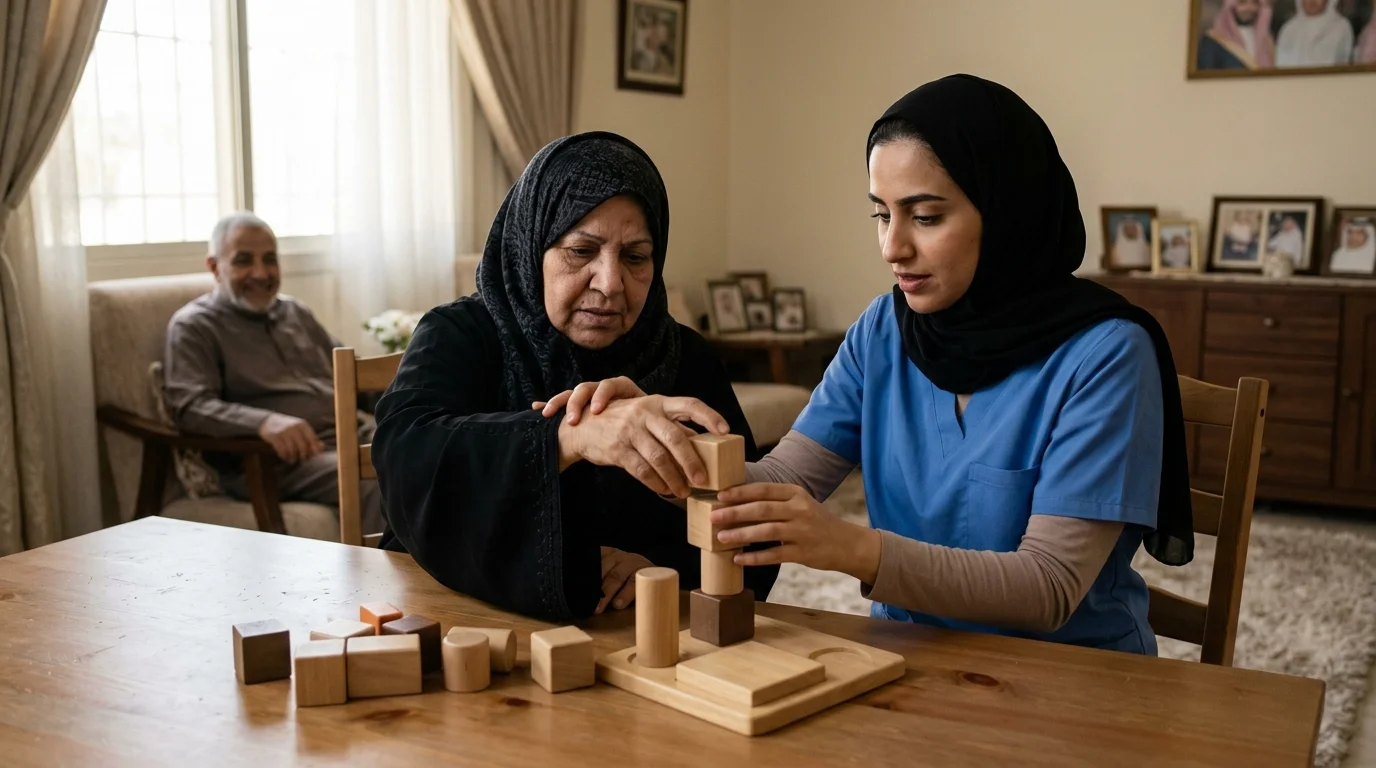
Physiological and Biomechanical Rationale for Hemispatial Neglect & Unilateral Inattention Rehabilitation After Stroke
Targeting this specific impairment represents a pivotal distinction between generic passive movement and restorative motor recovery. Stroke disrupts balance between upper motor neuron drive and spinal reflex loops; rebuilding functional control requires intensive, repetitive task practice.
Bidaya clinicians construct interventions following comprehensive biomechanical gait and task analysis, monitoring cardiovascular parameters and calibrating challenge to drive synaptogenesis without inducing compensatory fatigue.
Inhibiting abnormal stereotypic synergies that compromise walking and manual dexterity.
Recruiting deep proprioceptive pathways to recalibrate spatial equilibrium.
Optimizing domestic layouts to promote safe functional practice throughout the day.
Documenting longitudinal functional progress shared with treating neurologists.